
Strategic thinking is a valuable skill that can enhance both personal and professional decision-making. Whether you’re looking to sharpen your mind for work, school, or life in general, playing strategy-based games can be an excellent way to develop and refine your abilities. These games challenge you to think ahead, anticipate your opponent’s moves, and adapt to changing circumstances. If you’re a gamer looking to boost your strategic thinking, here are some of the best games to put your skills to the test.
1. Chess
No list of strategy games would be complete without mentioning Chess. Widely regarded as the quintessential strategy game, chess requires players to plan ahead, think critically, and make tactical decisions. Each move can drastically alter the game’s outcome, forcing players to always stay on their toes. Chess helps improve problem-solving skills, enhances memory, and trains players to think multiple moves ahead.
Why it’s beneficial: Chess challenges the brain, improving cognitive abilities like concentration, pattern recognition, and strategic foresight. Whether you’re a beginner or an experienced player, there’s always room to grow in the game.
2. Civilization VI
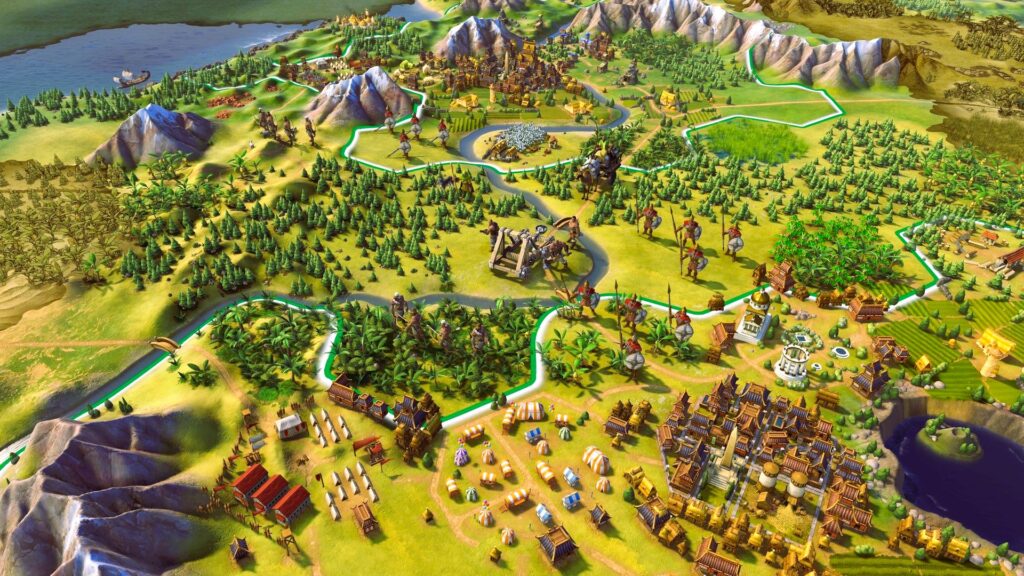
The Civilization series is a staple for anyone interested in turn-based strategy games. Civilization VI allows you to build an empire from scratch, guiding it through various stages of history. The game requires players to balance military, technological, economic, and diplomatic strategies to outsmart their rivals and achieve victory.
Why it’s beneficial: The game teaches resource management, long-term planning, and adaptability, as players must navigate complex systems and react to constantly evolving situations. Civilization VI is a fantastic way to engage in deep strategic thinking while learning about history. Did you like the article? Read also about Meditation and Mindfulness for Gamers.
3. StarCraft II
StarCraft II is a real-time strategy game set in a futuristic universe where players control one of three factions, each with unique units and abilities. The game emphasizes fast decision-making, resource management, and precise execution. Success in StarCraft II requires players to outthink their opponents, balance offense and defense, and adapt to an ever-changing battlefield.
Why it’s beneficial: StarCraft II hones quick thinking, multitasking, and spatial awareness, making it an excellent choice for anyone looking to boost their strategic planning under pressure. The fast-paced nature of the game encourages players to develop rapid decision-making skills.
4. XCOM 2
XCOM 2 is a tactical, turn-based strategy game in which players command a squad of soldiers to fight off an alien invasion. Each mission is an intricate puzzle that requires players to make tough decisions about how to position their troops, when to attack, and when to retreat. The stakes are high, as losing soldiers permanently can drastically affect the outcome of the game.
Why it’s beneficial: XCOM 2 emphasizes tactical thinking, risk management, and the need to carefully plan and adapt strategies on the fly. The game encourages players to think several moves ahead, considering potential consequences before making a decision.
5. The Banner Saga
The Banner Saga is a role-playing game with turn-based strategy mechanics. Set in a Viking-inspired world, players must lead a caravan of survivors through a dangerous, unforgiving landscape. Every choice has a consequence, and the game’s battle system requires strategic positioning and careful management of resources.
Why it’s beneficial: The game focuses on narrative-driven decisions and tactical combat, forcing players to think strategically not only in battle but also in terms of resource allocation and group management. The Banner Saga teaches the importance of balancing short-term and long-term goals.
6. Hearthstone
Hearthstone is a digital card game from Blizzard that blends strategic thinking with deck-building mechanics. Players create decks of cards, each representing spells, creatures, and abilities, and use them to battle opponents in duels. The game requires careful deck construction, reading the opponent’s strategy, and making quick, calculated decisions.
Why it’s beneficial: Hearthstone trains players in risk assessment, resource management, and adaptability. The game’s fast pace forces players to make strategic decisions on the fly while also thinking about their moves several turns in advance.
7. Total War: Three Kingdoms
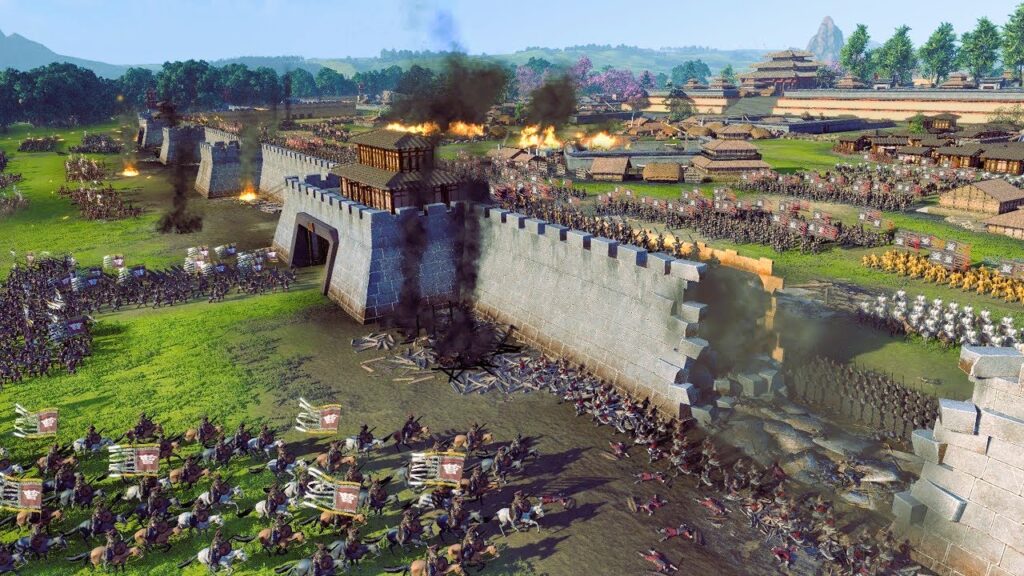
The Total War series is known for its epic scale and strategic depth, and Three Kingdoms is no exception. Set in ancient China during the Three Kingdoms period, players control massive armies, manage cities, and engage in political maneuvering. The game combines turn-based strategy with real-time tactics, creating an immersive and dynamic experience.
Why it’s beneficial: Total War: Three Kingdoms teaches players how to manage complex systems, make long-term decisions, and balance military and political strategies. The game also encourages foresight, as players must anticipate the moves of rival factions.
8. Age of Empires IV
Age of Empires IV is a real-time strategy game that allows players to build and manage civilizations across different historical periods. Players must gather resources, build armies, and make strategic decisions to dominate their opponents. The game includes both single-player and multiplayer modes, allowing players to test their strategies against AI or human opponents.
Why it’s beneficial: Age of Empires IV combines resource management with military strategy, encouraging players to plan their economy and military campaigns. It also sharpens decision-making skills as players must react to opponents’ moves in real time.
Strategic thinking is a critical skill that can benefit gamers in various aspects of life. The games listed above offer diverse opportunities to enhance your strategic abilities, whether you prefer turn-based tactics, real-time action, or resource management. By challenging your mind with these games, you can improve your decision-making, planning, and adaptability, skills that will serve you well both in gaming and in real-life situations.
For more information on strategy games and their impact, check out this Wikipedia article on Strategy Games.
