
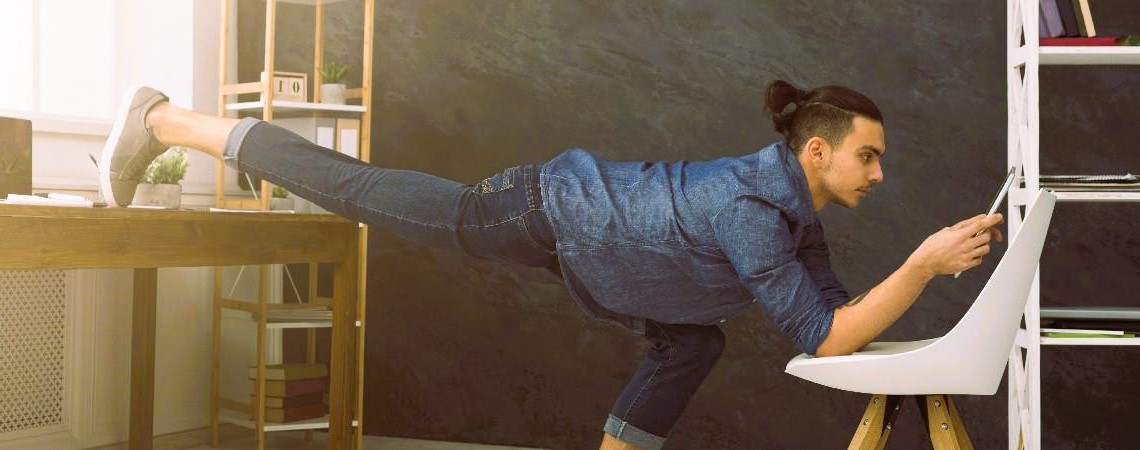
For gamers, long hours of gameplay can sometimes lead to sedentary habits, which may result in health problems like weight gain, poor posture, and muscle stiffness. However, staying physically active doesn’t mean you need to take breaks from your gaming sessions. With the right strategies, you can maintain a healthy lifestyle while enjoying your favorite games.
1. Incorporate Micro-Exercises
One of the easiest ways to stay active without interrupting your gameplay is by incorporating micro-exercises. These are short, simple movements that you can perform while seated or even while standing, allowing you to get your body moving without losing focus on your game.
The Truth: Try seated leg raises, shoulder shrugs, or wrist stretches while playing. These movements will help improve circulation and reduce muscle stiffness without distracting you from your game. You can also do quick bodyweight exercises like squats or calf raises during loading screens or while waiting for your next match.
2. Stretch During Load Times
Many games involve loading screens or in-between match periods. These moments offer an excellent opportunity to stretch your muscles and keep your body engaged.
The Truth: Use the downtime to perform stretches that target areas affected by long gaming sessions. Focus on wrist, neck, and back stretches to alleviate tension. A few minutes of stretching can also prevent repetitive strain injuries, which are common among gamers.
3. Use an Adjustable Desk
If you game on a PC, consider investing in an adjustable desk that allows you to switch between sitting and standing. Standing for part of your gaming session helps to keep your body active, reduce strain, and prevent long periods of inactivity. To help you recover from long gaming marathons, read our energy recovery tips.
The Truth: By alternating between sitting and standing, you promote better posture and reduce the risk of discomfort. It also encourages movement throughout the day, which can improve your overall health and energy levels.
4. Walk Around During Breaks
During longer gaming sessions, it’s important to take regular breaks. Instead of just sitting or lounging, take a short walk around your room or house. This not only helps with circulation but also gives your eyes a break from the screen.
The Truth: Taking a quick walk during break times can re-energize you, reduce fatigue, and improve focus. Even just five minutes of walking every hour can make a significant difference to your overall health.
5. Invest in a Gaming Chair with Good Support
A gaming chair with proper lumbar support can help maintain good posture while you game. It can also make it more comfortable to incorporate stretching or light exercises without discomfort.
The Truth: A well-designed chair encourages proper alignment of your spine, which reduces the risk of back pain or neck stiffness. Many gaming chairs come with adjustable features that allow you to customize the seating position to prevent long-term strain.
6. Practice Active Gaming
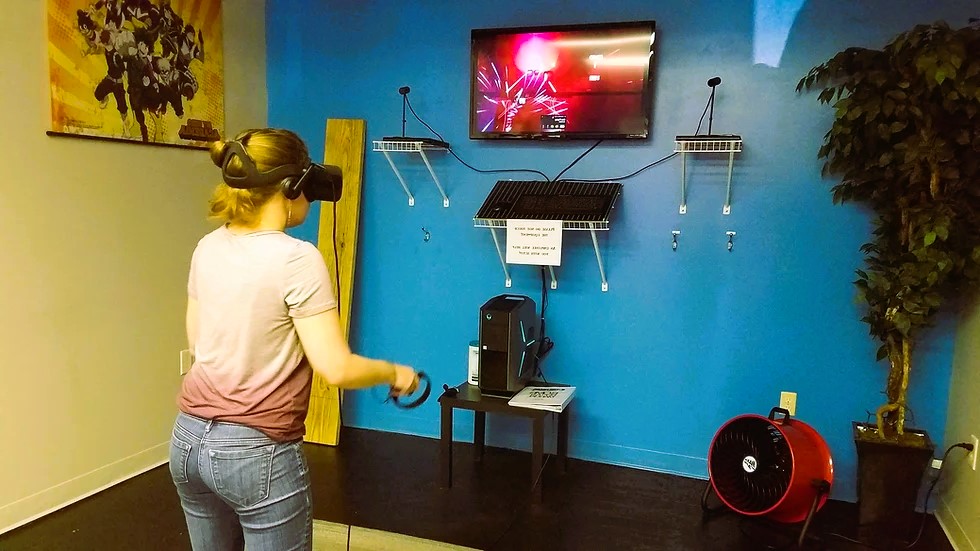
If you’re interested in more interactive gaming experiences, consider incorporating active games like dance or fitness games into your routine. These games are designed to get you moving while having fun.
The Truth: Games like “Just Dance” or VR fitness games require physical movement and can provide a great workout without taking you away from gaming. They’re an excellent way to engage both your mind and body.
You don’t have to interrupt your gaming sessions to stay physically active. By incorporating micro-exercises, stretching during load times, using an adjustable desk, walking during breaks, and investing in ergonomic gaming equipment, you can stay healthy while continuing to enjoy your games. Maintaining physical activity not only benefits your body but can also enhance your gaming performance by improving focus and reducing fatigue.
For more information on staying active while gaming, check out Wikipedia’s page on Physical Activity.